

Table of Contents
What Does 420 Mean?
420 (pronounced "four-twenty") is the most widely recognized term in cannabis culture. It refers to the consumption and celebration of cannabis, with April 20th (4/20) serving as the unofficial holiday and 4:20 PM as the daily ritual time for enthusiasts around the world.
The term has become a universal shorthand, one that spans generations, countries, and legal systems. Whether printed on a bumper sticker, referenced in a text message, or celebrated at a massive outdoor rally, 420 is the shared language of the cannabis community.
Before diving into the real story, it helps to clear up what 420 is not. Several myths have circulated for decades, and none of them hold up.
"420 is a police code for cannabis." No law enforcement agency uses this code for marijuana-related offenses.
"It is Bob Marley's birthday." Bob Marley was born on February 6, 1945. April 20th is not connected to him.
"There are 420 chemical compounds in cannabis." The number of identified compounds varies, but 420 has never been an accurate count.
The real origin is simpler, funnier, and better documented than any of these myths.
The Origin Story: The Waldos of San Rafael
The true story begins in 1971 at San Rafael High School in Marin County, California. Five students (Steve Capper, Dave Reddix, Jeffrey Noel, Larry Schwartz, and Mark Gravitch) called themselves "the Waldos" because they used to hang out by a wall outside the school.
That fall, the group got their hands on a hand-drawn map reportedly made by a member of the U.S. Coast Guard who had planted a cannabis crop near the Point Reyes Peninsula. The map supposedly led to an abandoned grow that was free for the taking.
The Waldos agreed to meet at 4:20 PM by the school's Louis Pasteur statue after sports practice, pile into a car, and go search for the crop. They would remind each other during the day by saying "4:20 Louis" in the hallways, which eventually got shortened to just "420."
They never found the cannabis crop. But the code stuck. "420" became their shorthand for anything related to cannabis: a plan to smoke, a signal to be discreet, a way to talk about it without adults catching on.
Why the Waldos' claim holds up: Unlike other 420 origin stories, the Waldos have physical evidence. They have preserved letters, postmarked envelopes, and a San Rafael High student newspaper from the early 1970s that reference "420." Multiple journalists and historians have verified their documentation.
How 420 Spread from Code Word to Culture
The term might have stayed a private joke if not for one key connection: the Grateful Dead. Waldo Dave Reddix's older brother was close friends with Dead bassist Phil Lesh. Through that friendship, the Waldos ended up spending time around the band's rehearsal space and social circle.
"420" entered the vocabulary of Deadheads (the famously devoted Grateful Dead fan community) and traveled with them as they followed the band across the country in the late 1970s and throughout the 1980s. Deadheads were one of the earliest nationwide subcultures, and their network turned a California high school code word into something much larger.
The next major milestone came in 1991 when a group of Deadheads in Oakland distributed flyers inviting people to "meet on 420 on 4/20 for 420-ing." One of those flyers landed in the hands of Steve Bloom, a reporter at High Times magazine.
High Times published the flyer, began using "420" in its own coverage, and over the next decade turned the term into a fixture of mainstream cannabis vocabulary. By the mid-1990s, "420" was appearing in movies, music, and on merchandise. What started as five teenagers looking for a treasure map had become a global symbol.
420 and the Push for Legalization
As 420 grew beyond slang and into a cultural event, April 20th became a natural rallying point for cannabis legalization advocates. Some of the most visible demonstrations in cannabis history have taken place on 4/20.
San Francisco's Hippie Hill gathering in Golden Gate Park became one of the largest annual 420 events in the country. Boulder, Colorado hosted massive campus rallies. Across dozens of cities, 420 events doubled as both celebrations and political statements, giving legalization advocates a predictable, high-visibility moment every year.
The legalization timeline accelerated in the 2010s and 2020s. Colorado and Washington legalized recreational cannabis in 2012. By 2024, 24 states plus Washington, D.C. had legalized adult-use cannabis, and 38 states had approved medical programs.
The 2018 Farm Bill was another turning point. By legalizing hemp and hemp-derived cannabinoids (including Delta-8 THC, Delta-9 THC products under 0.3% by dry weight, CBD, and CBN), the Farm Bill made 420 accessible in states that had not yet legalized traditional cannabis. Companies like CBD Kratom could offer THC edibles, CBD products, and plant-based alternatives to consumers nationwide through 55 retail locations and same-day delivery.
420 was no longer just a counterculture moment. It had become part of the broader shift toward plant-based wellness.
How 420 Is Celebrated Today
Modern 420 celebrations look very different from the smoke-filled rallies of the 1990s. The holiday has expanded to include:
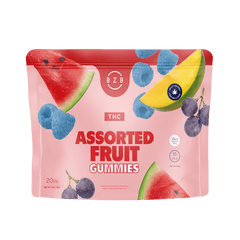
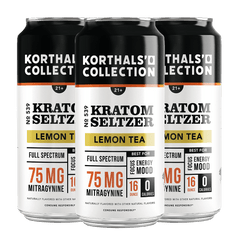
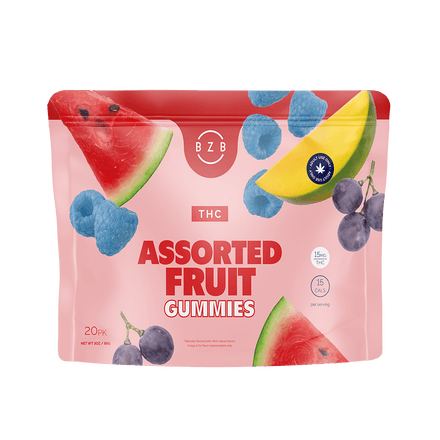
- Edibles and beverages as the entry point for many new consumers, especially THC gummies, infused sodas, and seltzers
- Non-alcoholic alternatives like WellBeing Brewing's CBD and CBG-infused beers, which let people participate without THC
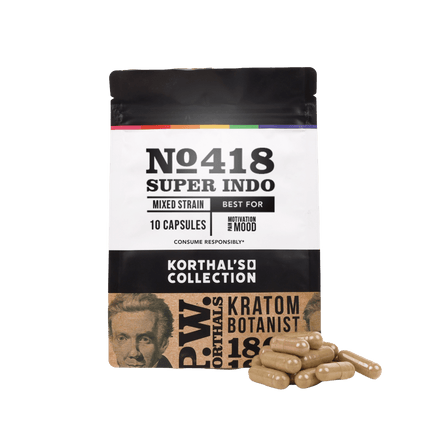
- Wellness-focused rituals such as CBD for relaxation, kratom for energy, and kava for social ease
- Retail events at dispensaries and stores like CBD Kratom, which run exclusive deals and in-store education every April
- Online shopping and delivery, allowing people to celebrate from home with ship-to-home and same-day delivery options
The diversification of products has made 420 genuinely inclusive. You do not need to smoke to participate. You do not even need THC. The spirit of 420 today is about exploring plant-based options on your own terms.
420 by the Numbers
The hemp-derived THC market has grown rapidly since the 2018 Farm Bill, with beverages and edibles driving much of the expansion. Non-alcoholic beverage sales have also surged as consumers look for social alternatives to alcohol.
How to Celebrate 420 Your Way
420 is personal. Whether you are a first-timer or a longtime enthusiast, the best way to celebrate is the way that fits your lifestyle. Here are some starting points:
- New to cannabis? Start with low-dose edibles (5-10mg THC gummies or lollipops) and give yourself 60-90 minutes to feel the effects before taking more.
- Prefer social settings? Try THC beverages or non-alcoholic options like WellBeing brews for a sessionable, shareable experience.
- Experienced consumers? Explore concentrates, flower, and pre-rolls from Song Ryder for a premium experience.
- Want to skip THC entirely? CBD, kratom, and kava all offer plant-based experiences without the high. Browse CBD, kratom, or kava options.
No matter how you celebrate, our team is here to help. Visit one of our 55 locations to talk with a Doyen about finding the right product, or shop online with free shipping on orders over $100.
Looking for deals? Check out our 2026 420 Guide for product picks and everything you need to celebrate, or view the current promotion.
Frequently Asked Questions
What does 420 mean?
420 is a term used to reference cannabis culture, consumption, and celebration. It refers to the daily ritual time of 4:20 PM and to April 20th (4/20), the unofficial cannabis holiday. The term originated with a group of high school students in San Rafael, California in 1971.
Where did 420 originate?
420 was coined by five students at San Rafael High School in Marin County, California. They called themselves "the Waldos" and used "420" as a code for meeting at 4:20 PM to search for an abandoned cannabis crop. The term spread through their connection to the Grateful Dead's social circle and was later popularized by High Times magazine in the 1990s.
Is April 20th a national holiday?
April 20th is not an officially recognized national holiday in the United States. However, it is widely celebrated as an unofficial cannabis holiday across the country and around the world. Many cannabis retailers, including CBD Kratom, run promotions and events around the date.
What are legal ways to celebrate 420?
In many states, legal options include hemp-derived THC edibles, beverages, and CBD products available at licensed retailers like CBD Kratom. You can also explore kratom, kava, and non-alcoholic alternatives. Always check your local and state regulations regarding product availability.
What is the difference between THC and CBD for 420?
THC produces psychoactive effects (the "high" associated with cannabis), while CBD is non-intoxicating and is commonly explored for relaxation and wellness. Both are derived from hemp and are available in edibles, beverages, tinctures, and other formats. Many people enjoy both on 420, depending on the experience they are looking for.
These statements have not been evaluated by the Food and Drug Administration. These products are not intended to diagnose, treat, cure, or prevent any disease. Like caffeine and sugar, kratom may be habit-forming. Use kratom responsibly and only as directed. Must be 21+ to purchase.