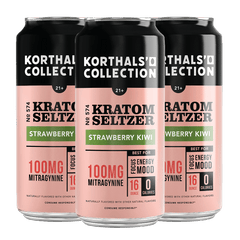
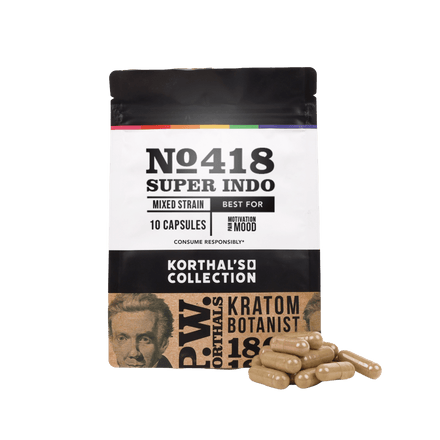


Kava is not kratom. Kava is a root from the Pacific Islands (Piper methysticum). Kratom is a leaf from a Southeast Asian tree (Mitragyna speciosa). They are different plants with different active compounds, and their legal status differs too: kava is legal nationwide in the US, while kratom is banned in some states, including Tennessee.
In This Guide
People mix up kava and kratom all the time. The names sound alike, both show up on the same shelves, and both are now sold as ready-to-drink seltzers and tonics. Under the label, though, they are very different plants.
This guide lays out the differences in plain language so you can pick what fits your night. If you are mostly here because you want to drink less alcohol, start at our pillar guide, kava as an alcohol alternative, then come back here for the side-by-side.
Is Kava Kratom? Two Different Plants
The short answer to "is kava the same as kratom" is no. They grow on different sides of the world, people use different parts of each plant, and they contain different active compounds.
A leafy shrub in the pepper family, native to the Pacific Islands, including Fiji, Vanuatu and Tonga. The root is what people use. Its active compounds are called kavalactones (kavain, dihydrokavain and desmethoxyyangonin are among the main ones). In the islands, kava has been prepared for generations as a shared drink at ceremonies and social gatherings. Learn more in What Is Kava?
A tropical evergreen tree in the coffee family, native to Southeast Asia, including Thailand, Malaysia and Indonesia. The leaf is what people use. Its main active compound is an alkaloid called mitragynine. Traditionally, people in the region chewed fresh leaves or brewed them into tea during long working days.
How People Describe Kava and Kratom
Everyone's experience is a little different, so think of these as what people commonly report, not promises.
Kava. Many people describe feeling relaxed, social and clear-headed. Traditional kava has an earthy, peppery taste and a light tingle or numbing feeling on the tongue, which is normal. Kava drinkers often talk about "noble" kava varieties, which are the ones traditionally chosen for regular social drinking.
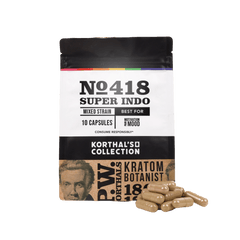
Kratom. People describe kratom differently depending on the strain and the product. Kratom strains are often grouped by leaf vein color. In that spectrum, white vein strains are usually described as the most energizing, green vein strains as more balanced, and red vein strains as the most relaxed. Kratom tastes earthy and bitter on its own, which is why many people prefer flavored drinks, capsules or gummies.
Kava vs Kratom Side by Side
| Kava | Kratom | |
|---|---|---|
| Plant | Piper methysticum, a shrub in the pepper family | Mitragyna speciosa, a tree in the coffee family |
| Part used | Root | Leaf |
| Origin | Pacific Islands (Fiji, Vanuatu, Tonga) | Southeast Asia (Thailand, Malaysia, Indonesia) |
| Active compounds | Kavalactones | Alkaloids, mainly mitragynine |
| Common forms | Root powder mixed with water, seltzers, tonics | Powder, capsules, tea, extracts, gummies, seltzers, tonics |
| How people describe it | Relaxed, social, clear-headed; tingly tongue | Varies by strain, from energizing (white) to relaxed (red) |
| US legal status | Legal nationwide | Banned in some states, including Tennessee; rules vary by state, county and city |
Kratom is legal at the federal level, but some states ban it outright. Tennessee's ban took effect July 1, 2026, and some cities and counties have their own rules. Kava does not have this problem: it is legal nationwide in the US.
Kava vs Kratom vs CBD: Where CBD Fits
CBD often gets lumped into the same conversation, but it is a third, unrelated plant. CBD (cannabidiol) comes from hemp, and you will find it in CBD drinks without alcohol like sparkling waters and NA brews. It is not found in kava or kratom. If you are comparing all three, the simplest way to think about it is three plants, three sets of compounds, three different shelves. Browse everything by type on our shop by category page.
Kratom Tea vs Kava: Brewing vs Ready-to-Drink
The traditional ways of preparing these two plants are almost opposites.
- Kratom tea is made by steeping dried kratom leaf or powder in hot (not boiling) water. It tastes earthy and bitter, so many people add lemon or honey.
- Traditional kava is not steeped in hot water. The ground root is kneaded in cold water and strained through a cloth, which makes a thick, muddy drink that is shared from a bowl.
Both take time and some guesswork, which is why ready-to-drink cans have caught on. A seltzer or tonic tells you on the label exactly what is in each can, there is nothing to measure, and the flavor is a lot friendlier. For more on preparing and sipping kava, see how to drink kava.
Where Kratom and Kava Blends Fit
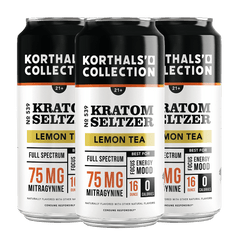
Some drinks combine both plants in one can. Our Korthals Collection lineup includes a kratom kava seltzer (No. 520) and two kratom and kava tonics (No. 530 and No. 560). If you are curious about blends, read Kratom and Kava Together: What to Know Before You Try a Blend first. And if you want kava without any kratom at all, look for the kava seltzers (No. 502 and No. 505).
Start Low, Go Slow
Whatever you choose, the same simple rules apply.
-
Start low, go slow
Read the label, take it slowly, and give yourself time to see how you feel before having more.
-
Wait before having more
Wait at least 30 minutes before reaching for another, and don't drive until you know how a product affects you.
-
Keep it simple
Try one product at a time so you know what you are feeling and why.
Do not combine kava or kratom with alcohol, and do not mix them with other substances. If you are pregnant or nursing, take any medication, or have questions about your health, talk to your doctor before trying either one. For more, read Is Kava Safe?
Shop This Guide
Want kava with no kratom? Look at No. 502 and No. 505. Curious about a blend? No. 520 and the tonics combine both plants. See the full kava collection for everything in stock.
Kava, no kratom


Kratom and kava blends


Frequently Asked Questions
Is kava kratom?
No. Kava and kratom are two different plants. Kava (Piper methysticum) is a root from the Pacific Islands, and kratom (Mitragyna speciosa) is a leaf from a Southeast Asian tree. They are not related, and their active compounds are different.
Is kava the same as kratom?
No. Kava's active compounds are kavalactones. Kratom's main active compound is an alkaloid called mitragynine. People describe them differently, they are prepared differently, and their legal status in the US is different.
What is the difference between kava and kratom?
Kava is a root traditionally mixed with cold water and shared at social gatherings in places like Fiji, Vanuatu and Tonga. Kratom is a tree leaf traditionally chewed or brewed as tea in Thailand, Malaysia and Indonesia. Kava is legal nationwide in the US. Kratom is banned in some states, including Tennessee, so check your local laws.
Is kava legal everywhere in the US?
Yes, kava is legal nationwide in the US. Kratom is different: it is banned in some states, including Tennessee since July 1, 2026, and some cities and counties set their own rules.
What about kava vs kratom vs CBD?
They come from three unrelated plants. Kava is a Pacific Island root, kratom is a Southeast Asian tree leaf, and CBD comes from hemp. Each one has its own compounds, its own forms, and its own rules, so read labels and choose the one that fits what you are looking for.
Can I drink kava or kratom with alcohol?
No. Do not combine kava or kratom with alcohol, and do not combine them with other substances. If you take any medication, are pregnant or nursing, or have questions about your health, talk to your doctor first.
Sources & References
- National Center for Complementary and Integrative Health (NIH). Kava. https://www.nccih.nih.gov/health/kava
- National Center for Complementary and Integrative Health (NIH). Kratom. https://www.nccih.nih.gov/health/kratom
- US Food and Drug Administration. Consumer advisory on kava-containing dietary supplements, 2002.
- World Health Organization. Assessment of the risk of hepatotoxicity with kava products, 2007.
- Cairney S, Maruff P, Clough AR. The neurobehavioural effects of kava. Aust N Z J Psychiatry. 2002;36(5):657-62.
- American Kratom Association. State-by-state kratom legality resources. https://www.americankratom.org/