

On April 23, 2026, the Department of Justice issued an order moving two narrow categories of cannabis from Schedule I to Schedule III: FDA-approved cannabis drug products, and cannabis sold under a state medical marijuana license. Everything else, including all of the hemp-derived CBD, hemp-derived THC, and kratom products sold at CBD Kratom, falls outside the order. Nothing about what you can buy from us has changed.
You may have seen the headlines: "DEA Reschedules Cannabis." "Marijuana Moved to Schedule III." "Historic Shift in Federal Drug Policy." All true, all important, and all easy to misread if you do not know what was actually in the order.
This is a plain-English explainer of what happened on April 23, 2026, what changed for whom, and most importantly, what it means if you shop at one of our 55+ CBD Kratom locations or online. We will keep this updated as developments unfold.

| ✓Two narrow categories of cannabis moved from Schedule I to Schedule III: FDA-approved cannabis drug products, and cannabis under a state medical marijuana license. |
| ✓Adult-use (recreational) cannabis is not part of this order. It remains a Schedule I controlled substance. |
| ✓Hemp is unaffected. The order does not change the legal status of hemp under the 2018 Farm Bill. |
| ✓A DEA administrative hearing on broader rescheduling is set for June 29, 2026. That is the next thing to watch. |
| ✓CBD Kratom products are unaffected. Hemp-derived CBD, hemp-derived Delta-9 THC, and kratom all sit outside the order's scope. |
What Actually Happened on April 23
The Acting Attorney General signed a Final Order placing two specific categories of cannabis into Schedule III of the federal Controlled Substances Act. The order took effect with publication in the Federal Register on April 28, 2026.
The two rescheduled categories are:
- FDA-approved cannabis drug products. Pharmaceutical products containing cannabis that have been approved by the U.S. Food and Drug Administration. This is a small list, mostly limited to existing FDA-approved cannabis-derived medications.
- Cannabis sold under a state medical marijuana license. Marijuana that is manufactured, distributed, or dispensed for medical use under a state-issued license, in any of the 40+ states that have legalized medical marijuana.
Everything else stayed where it was. That includes recreational/adult-use cannabis programs (even in legal states), unlicensed cannabis activity, synthetically derived THC, and bulk cannabis material not tied to one of those two categories.
What Changed for State Medical Cannabis Operators
For state-licensed medical marijuana businesses, the effects are real and immediate. The DEA opened its Medical Marijuana Dispensary Registration Portal on April 29, 2026, and operators who apply by approximately June 27 get an expedited federal review process.
The biggest practical change is on the tax side. Section 280E of the Internal Revenue Code blocks Schedule I and II businesses from deducting most ordinary business expenses on their federal taxes. Moving state-licensed medical operators to Schedule III removes that bar. The Treasury and IRS announced on the same day that they plan to issue guidance on how this transition works.
For everyone else, including adult-use operators in legal states, none of those benefits apply. Recreational cannabis remains a Schedule I controlled substance, and Section 280E continues to apply to those businesses.
What Did Not Change
This is the part most of the headlines glossed over. The order is deliberately narrow.
Cannabis is not broadly legal. Adult-use cannabis programs operating under state law in places like California, Colorado, or Illinois are still working with a Schedule I substance under federal law. The legal gray zone they have operated in for years is unchanged.
Synthetic THC is unchanged. So is bulk marijuana material that is not tied to an FDA-approved product or a state medical license. Previously rescheduled drug products like Marinol and Syndros are also unaffected.
And most relevant to our customers: hemp is not part of this order. The 2018 Farm Bill legalized hemp federally and defined it as cannabis with 0.3 percent or less Delta-9 THC by dry weight. Hemp has not been a Schedule I substance since 2018. Hemp-derived CBD, hemp-derived Delta-9 THC products that comply with the Farm Bill framework, and other hemp-derived cannabinoids remain regulated under that separate legal framework.
What This Means If You Shop at CBD Kratom
If you have purchased from us in the past, your shopping experience is unchanged. Here is the simple answer for each product type we carry:
- CBD products (oils, tinctures, gummies, topicals): Hemp-derived. Outside the scope of the April 23 order. Unchanged.
- Hemp-derived THC beverages and edibles (Delta-9, Delta-8): Operate under the federal hemp framework, not the medical or recreational marijuana frameworks. Unchanged.
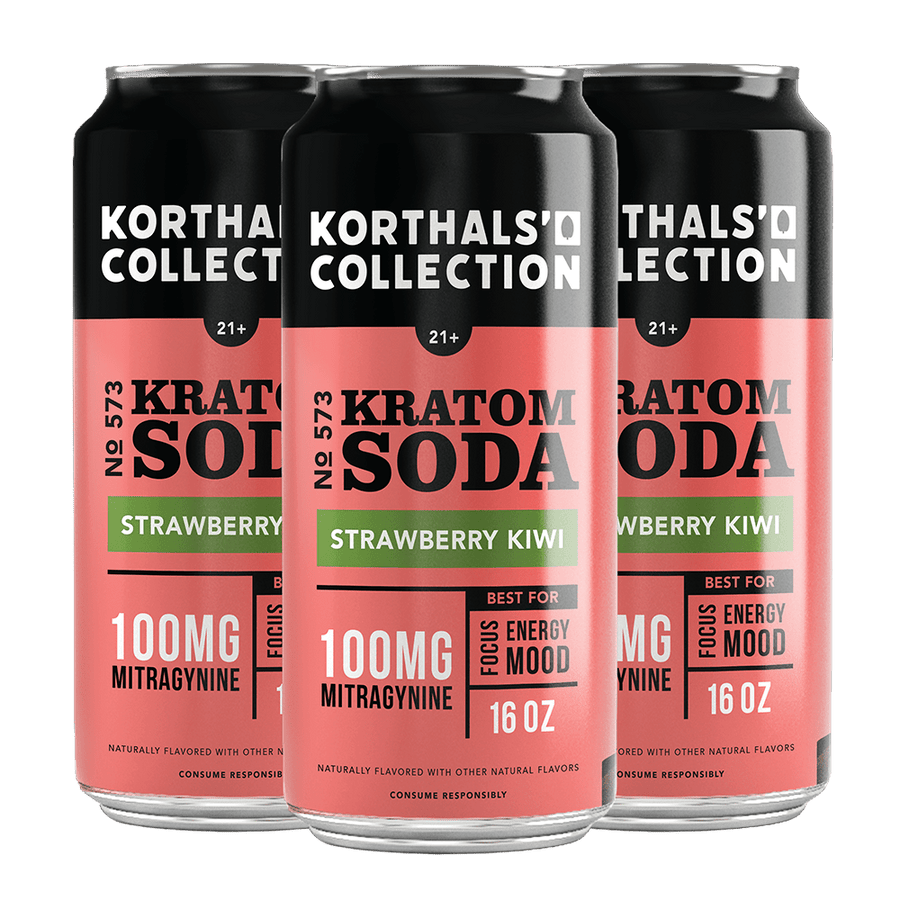
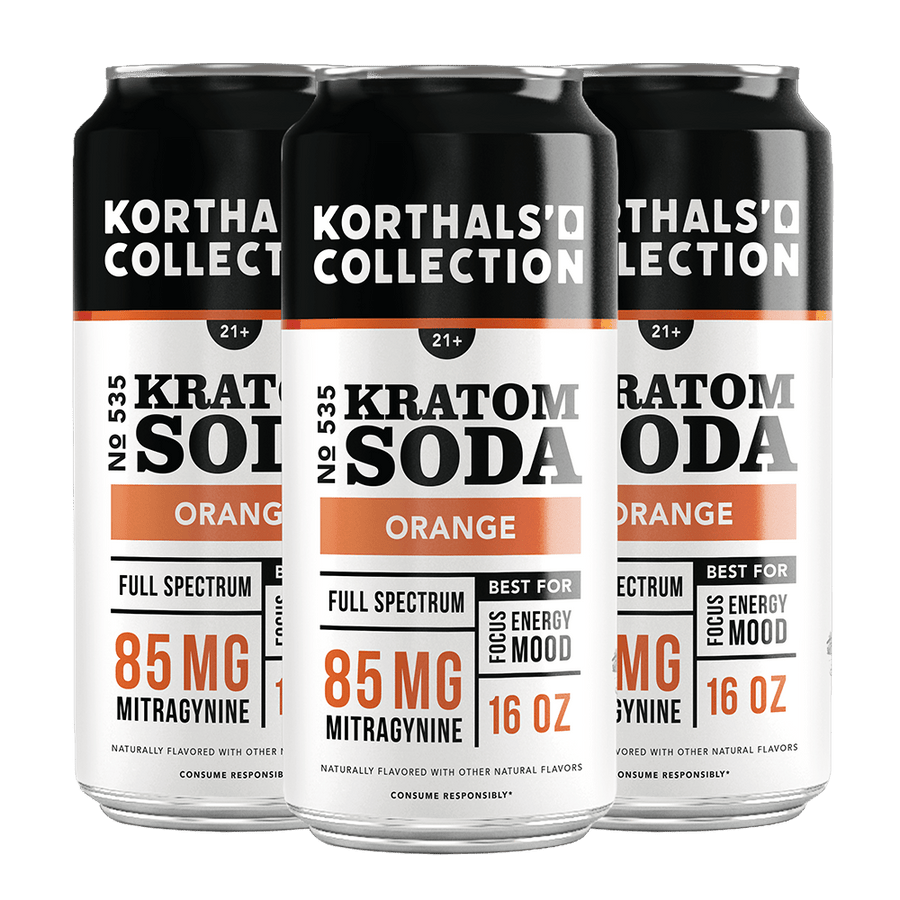
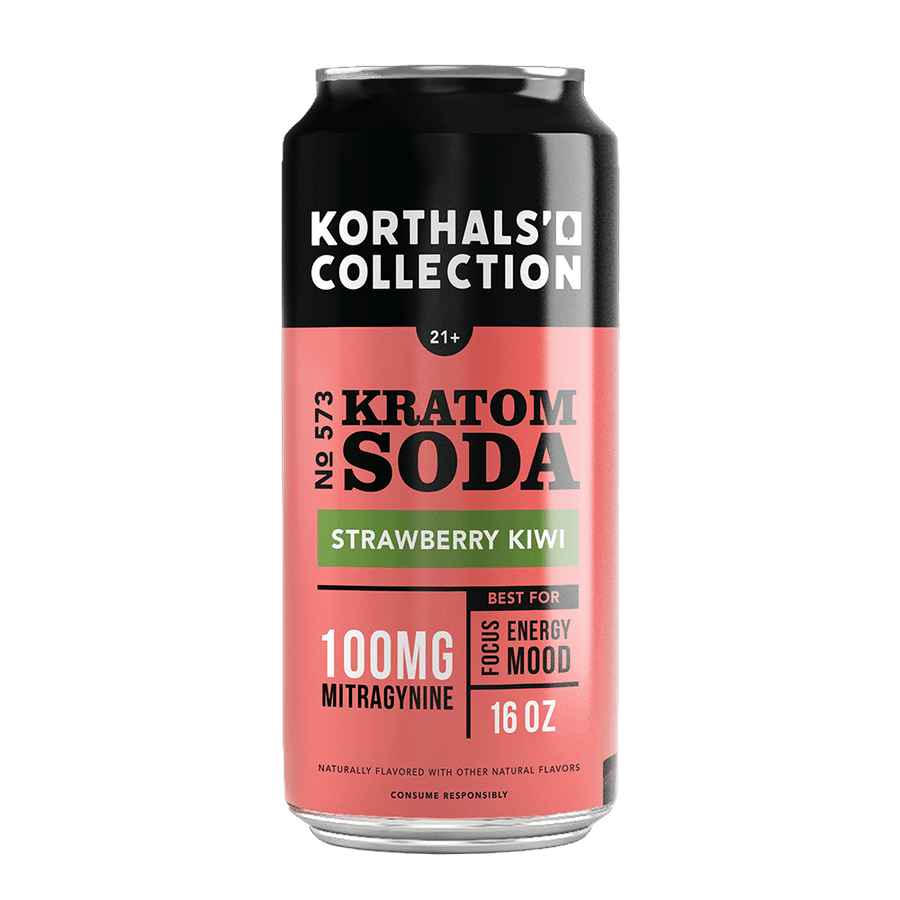
- Kratom: Kratom is not cannabis. It is derived from a different plant, Mitragyna speciosa. It is not part of the rescheduling order in any way.
- CBG, CBN, and other minor cannabinoids: Hemp-derived. Outside the order.
Translation: nothing on shopcbdkratom.com is on a different legal footing today than it was on April 22. We have not changed any product, formulation, or sourcing in response to the order, because we did not need to. The hemp framework that governs what we sell was not touched.
What to Watch Next
The most important upcoming date is the DEA administrative hearing on broader rescheduling, scheduled to commence on June 29, 2026. That hearing will consider whether to move all cannabis, not just FDA-approved and state-licensed medical, from Schedule I to Schedule III. The hearing is required to be completed no later than July 15.
"Interested persons" who wanted to participate in that hearing were required to submit written notice by May 20, 2026, for mailed filings or May 24, 2026, for email filings. Selected participants are scheduled to be notified on June 22, 2026.
The June 29 hearing is where the bigger question lives: does federal cannabis policy move all the way to Schedule III, or does the narrow April order remain the outer boundary? That outcome will likely shape federal cannabis policy through the rest of 2026 and into 2027.
It is also worth noting that the April 23 order is likely to face legal challenges, given that the Acting Attorney General invoked treaty-compliance authority to bypass the traditional notice-and-comment rulemaking process. Any successful challenge could pause or unwind parts of the order. We will keep this post updated as those developments emerge.
Our doyens at 55+ CBD Kratom locations are happy to walk through what each product contains, where it is sourced, and how it fits the current legal framework. Stop in, give us a call, or shop online.
Shop All Products Find a StoreFrequently Asked Questions
No, not broadly. The April 23, 2026 order moved two narrow categories (FDA-approved cannabis drug products, and state-licensed medical marijuana) to Schedule III. Recreational/adult-use cannabis is still a Schedule I controlled substance under federal law. Whether broader rescheduling happens depends on the outcome of the DEA administrative hearing scheduled for June 29, 2026.
No. The CBD products sold at CBD Kratom are derived from hemp under the federal 2018 Farm Bill framework, which has been separate from the Controlled Substances Act schedules for cannabis since 2018. The April 2026 order is about cannabis scheduling. It does not touch the hemp framework.
No. Kratom is derived from Mitragyna speciosa, a tree native to Southeast Asia. It is not cannabis, not federally scheduled, and not part of the rescheduling order. Kratom regulation continues to be handled state by state.
Hemp-derived THC products that comply with the 2018 Farm Bill framework (0.3 percent or less Delta-9 THC by dry weight) operate under that hemp framework, which is separate from the Controlled Substances Act schedules for cannabis. The April 2026 order does not change the legal status of these products. State laws on hemp-derived THC vary, so check your local rules.
The DEA administrative hearing on broader rescheduling is set to commence on June 29, 2026 and to conclude no later than July 15, 2026. After the hearing, the DEA would still need to publish a final rule, which typically takes additional time. Any timeline depends on the hearing outcome and any subsequent legal challenges. There is no guaranteed date for broader action.
The DOJ relied on a specific legal pathway tied to international treaty compliance to act quickly on the two categories named in the order. Broader rescheduling of all cannabis requires the standard notice-and-comment rulemaking process, which is what the June 29 administrative hearing is part of. The April order is a first step, not a comprehensive policy reset.
Possibly, eventually, but not automatically. Schedule III status opens the door to insurance coverage for FDA-approved cannabis drug products, similar to other Schedule III prescription medications. State-licensed medical cannabis products are a more complicated story. Coverage decisions are made by individual insurers and will likely take time to evolve. Consult your provider for specifics.
This article is informational and does not constitute legal or tax advice. Federal and state cannabis and hemp laws are complex and change frequently. Consult a qualified attorney or advisor for guidance specific to your situation. Like caffeine and sugar, kratom may be habit-forming. Use kratom responsibly and only as directed. These statements have not been evaluated by the FDA. These products are not intended to diagnose, treat, cure, or prevent any disease. Must be 21+.