

Yes. You can fly with hemp-derived CBD containing less than 0.3% THC in both carry-on and checked bags. The Transportation Security Administration has allowed this since 2019 under the 2018 Farm Bill, and the April 2026 federal rescheduling order did not change that rule.
Hemp-derived CBD with under 0.3% THC has been TSA-allowed in carry-on and checked bags since May 2019. The April 2026 rescheduling order only affected FDA-approved cannabinoid medications and state-licensed medical marijuana, not hemp-derived CBD or kratom. Below: what TSA actually allows, how to pack, and the gray areas worth knowing before you board.
If you have seen recent headlines suggesting the Transportation Security Administration (TSA) "now allows" cannabis on planes, you are not alone in being confused. The April 28, 2026 federal rescheduling order was narrow, the TSA "What Can I Bring" page added a single new entry, and the agency has not yet published the specific rules that go with it. For most travelers carrying hemp-derived CBD or kratom, the practical reality is simpler than the news cycle makes it sound.
Here is a plain-language breakdown of what changed, what did not, and what hemp-derived CBD and kratom customers should actually do before flying in 2026.
| ✓Hemp-derived CBD with less than 0.3% delta-9 THC is permitted by TSA in carry-on and checked bags. |
| ✓The April 2026 rescheduling order is narrow and applies only to FDA-approved cannabinoid medications and qualifying state-licensed medical cannabis. |
| ✓TSA's hemp-derived CBD policy, set in May 2019, is unchanged by the new order. |
| ✓Kratom is unscheduled at the federal level and TSA does not restrict it. |
| ✓International travel rules are different. Most countries do not recognize the 0.3% THC threshold. |
What Actually Changed in April 2026
On April 28, 2026, Acting Attorney General Todd Blanche signed a narrow rescheduling order that moved two specific categories of cannabis-related substances from Schedule I to a lower schedule under the Controlled Substances Act (CSA). Those categories were:
- FDA-approved medications containing cannabis-derived compounds such as Epidiolex, Marinol, Syndros, and Cesamet.
- Cannabis products dispensed under a qualifying state-issued medical license in states with regulated medical programs.
The day before the order took effect, TSA updated its "What Can I Bring" tool to add a single new entry for medical cannabis, listing it as permitted in both carry-on and checked bags with a "Special Instructions" designation. The catch: the page that explains those special instructions has not been published yet.
That is where the confusion comes from. Federal policy says certain medical cannabis is now allowed. TSA says it agrees. Neither has spelled out exactly how that works at a checkpoint. For travelers carrying hemp-derived CBD, however, none of this is actually new.
TSA Rules for Hemp-Derived CBD
TSA updated its policy on hemp-derived CBD in May 2019, after the 2018 Farm Bill federally legalized hemp and hemp derivatives containing less than 0.3% THC by dry weight. Since then, the agency has consistently allowed hemp-derived CBD products in both carry-on and checked luggage.
The practical rules for hemp-derived CBD at a TSA checkpoint:
- Carry-on: Allowed. Liquid CBD products (tinctures, drinks) follow the standard 3.4 oz / 100 ml liquid rule and must fit in your quart-sized bag.
- Checked bags: Allowed. No volume limit for liquids in checked luggage.
- Gummies, capsules, topicals: No liquid restriction applies. Pack them in either bag.
- Documentation: Not required, but a Certificate of Analysis (COA) showing under 0.3% THC content is helpful if questions come up.
TSA officers are primarily looking for security threats, not enforcing drug laws. If a screener flags a CBD product, the standard procedure is a brief inspection or, in rare cases, a referral to local authorities.
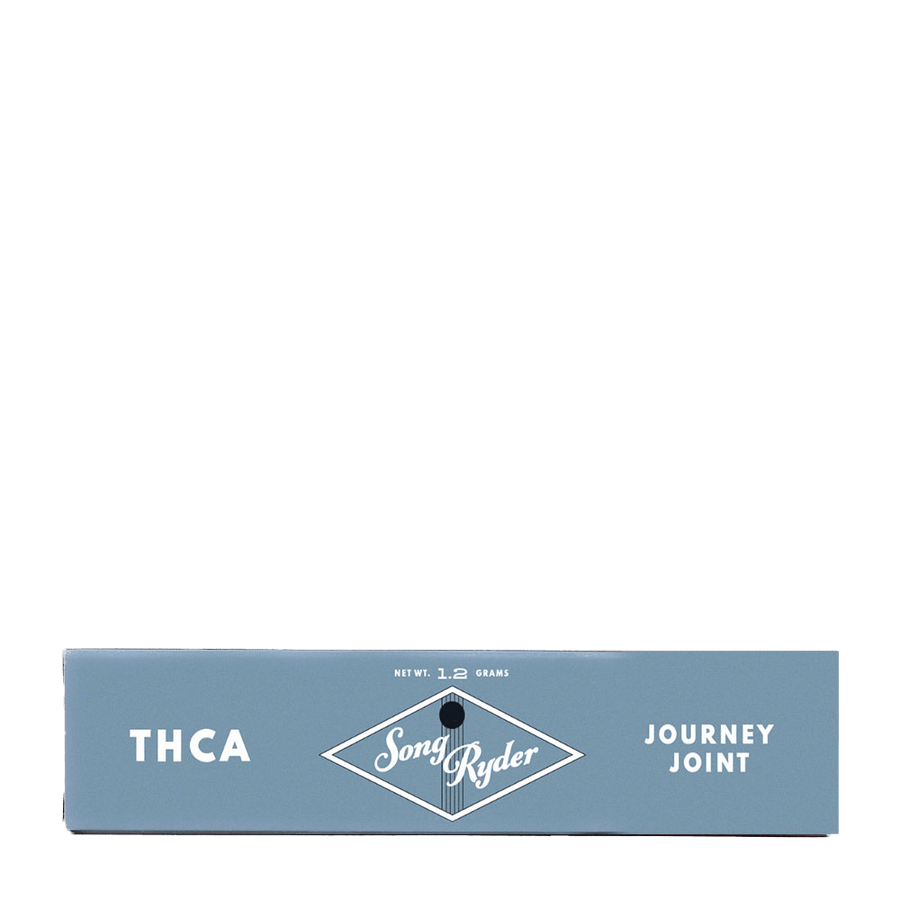
Travel-Ready CBD Picks
Three CBD options from our shelves that pack easy, travel light, and skip the liquid-rule math. Each is third-party tested and ships with a current Certificate of Analysis on the product page.


CBD vs. Marijuana: The Legal Difference
The distinction that drives most travel headaches comes down to one number: 0.3% THC.
Hemp-Derived CBD
Federally legal under the 2018 Farm Bill. Contains less than 0.3% delta-9 THC by dry weight. TSA-allowed in carry-on and checked bags. This is what you buy at CBD Kratom.
Marijuana
Cannabis containing more than 0.3% THC. Still federally controlled, with limited new exceptions for FDA-approved medications and certain state-licensed medical programs as of April 2026. Subject to state law and the new federal Special Instructions when published.
Everything sold at CBD Kratom is hemp-derived and tested to confirm compliance with the federal 0.3% THC threshold. That includes our full lineup of CBD oils, gummies, capsules, topicals, and beverages. Each product has a Certificate of Analysis available for review.
How to Pack CBD for a Flight
A few simple habits make airport screening smooth:
- Keep products in their original packaging. Labels with ingredient lists and THC content make screening faster.
- Liquids in carry-on go in your quart bag. Tinctures, drinks, and lotions over 3.4 oz belong in checked luggage.
- Bring a COA if you have one. Either save it on your phone or print a copy. CBD Kratom posts current COAs on every product page.
- Know your destination's laws. Hemp-derived CBD is federally legal but a handful of states still maintain stricter rules. Look up your arrival state if you are unsure.
- Skip the airport stress test. If you are flying domestically and your products are clearly hemp-derived and labeled, you should not need to do anything special at the checkpoint.
Flying with Kratom
Kratom is a separate category from cannabis and is not addressed by the April 2026 order at all. At the federal level, kratom is unscheduled and legal. TSA does not restrict it. You can fly with kratom powder, capsules, extracts, or shots in both carry-on and checked bags.
The complication with kratom is state and city law. A small number of states and municipalities have local restrictions on kratom sales or possession. Before you fly, check the rules in your destination. The American Kratom Association (AKA) maintains an updated state-by-state map that is the easiest reference.
Practical tips for flying with kratom:
- Powder is sometimes selected for additional screening, simply because loose powder triggers extra checks. Capsules and shots avoid this.
- Keep kratom in original, labeled packaging to make screening faster.
- If you take kratom regularly, pack enough for your trip plus a day or two of buffer.
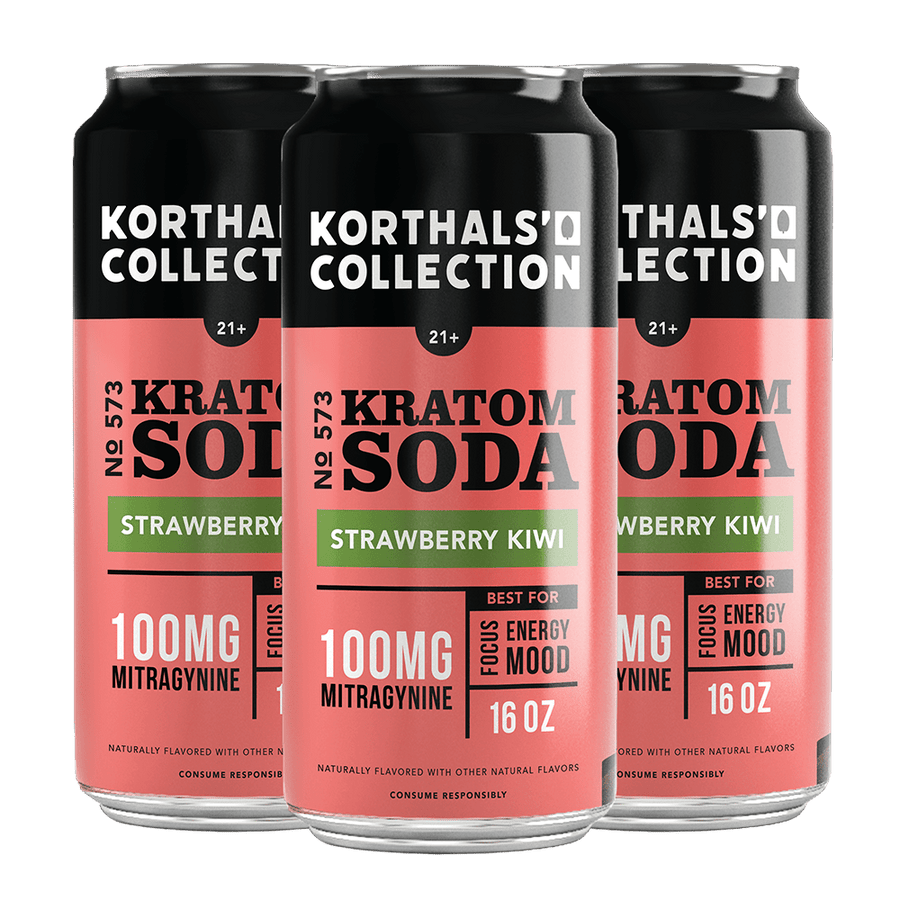
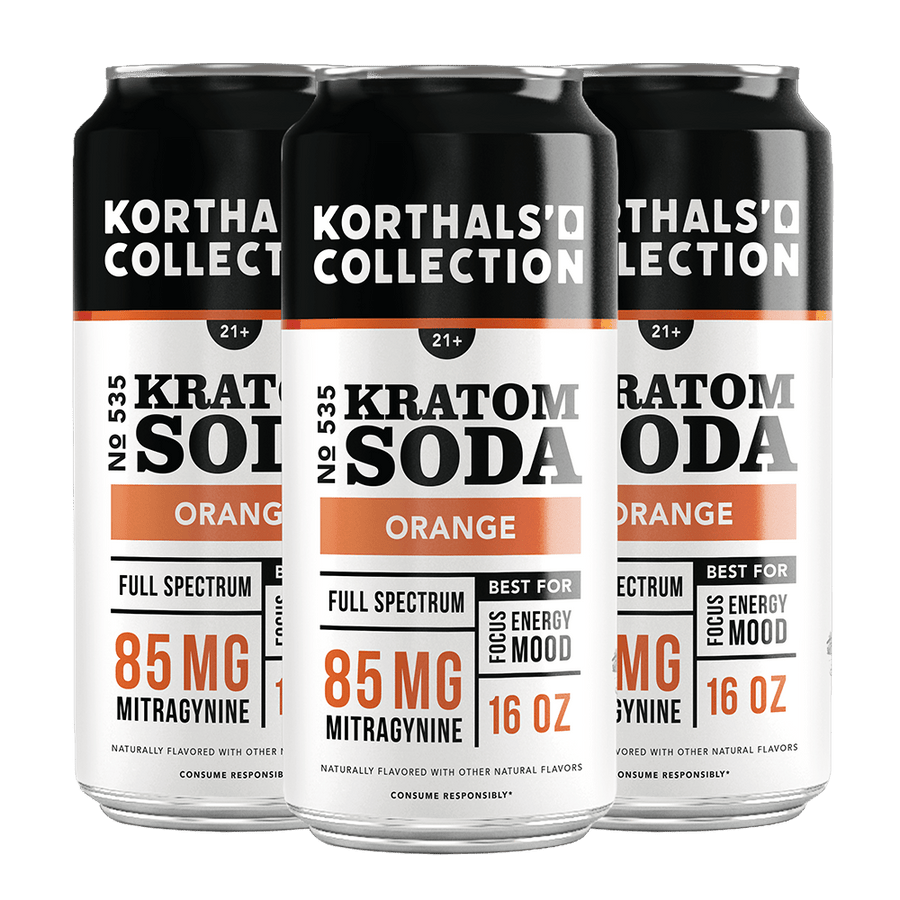
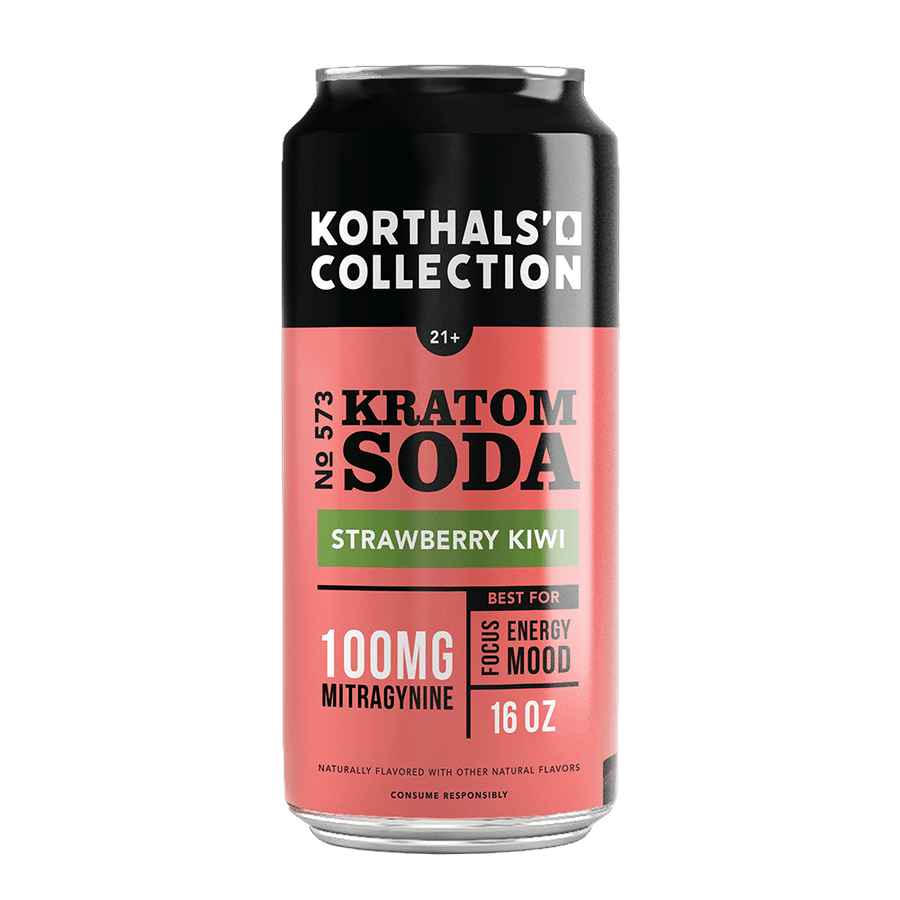
Travel-Ready Kratom Picks
For kratom, capsules win the airport game. They avoid the powder-triggered secondary screening, they are pre-measured, and they stay quiet in a bag.

Like caffeine and sugar, kratom may be habit-forming. Use kratom responsibly and only as directed.
International Travel Considerations
International flights are an entirely different conversation. Many countries that border the United States, including Mexico and most Caribbean nations, have stricter cannabis rules than the U.S. and do not recognize the 0.3% THC threshold. The same goes for most of Europe, Asia, and the Middle East.
The safe approach for any international trip is to leave CBD and kratom at home and resupply after you return. If a destination is essential and you take CBD or kratom for daily routine, research the specific country's import rules well in advance. Penalties in some jurisdictions are severe and not worth the risk.
Stock Up Before You Travel
Shop our full lineup of hemp-derived CBD oils, gummies, topicals, and kratom in store or online. Every product is third-party tested with a Certificate of Analysis available on the product page.
Shop Online Find a StoreFrequently Asked Questions
Yes. Hemp-derived CBD oil containing less than 0.3% THC is permitted in both carry-on and checked bags. Carry-on liquids must follow the 3.4 oz / 100 ml rule.
No. The April 2026 rescheduling addressed FDA-approved cannabinoid medications and certain state-licensed medical cannabis. TSA's rules for hemp-derived CBD, in place since May 2019, did not change.
Yes. CBD gummies are not subject to liquid restrictions and can travel in either carry-on or checked bags. Keep them in their original packaging when possible.
Yes, federally. TSA does not restrict kratom and it is unscheduled at the federal level. Check your destination state or city for any local restrictions before flying.
Not required, but recommended. A COA helps clarify product contents if a screener asks questions. CBD Kratom posts a current COA on every product page.
If a product is clearly hemp-derived and labeled, screeners usually allow it without comment. TSA is focused on security threats, not enforcing drug law. In rare cases an officer may inspect the product or, if there is doubt, refer the question to local authorities.
It depends entirely on the destination. Many countries do not recognize the 0.3% THC threshold and have stricter rules than the U.S. Research the specific country's import laws before traveling, or leave products at home and resupply on return.
This article is for informational purposes only and is not legal advice. Laws and policies change. Verify current TSA, federal, state, and destination-country rules before traveling. Like caffeine and sugar, kratom may be habit-forming. Use kratom responsibly and only as directed. CBD Kratom products are hemp-derived and contain less than 0.3% delta-9 THC by dry weight in compliance with the 2018 Farm Bill.