

Last updated July 13, 2026. This is a developing regulatory action, and we will update this page as it changes.
Short version
Is 7-OH getting banned? The DEA has filed intent to temporarily place concentrated and synthetic 7-OH into Schedule I. It is not final yet and could take effect as soon as early August 2026.
Is kratom itself getting banned? No. Traditional whole-leaf kratom is not part of this action.
If you have seen headlines about the DEA, kratom, and "7-OH," you may be wondering whether your kratom is about to become illegal. Here is the plain version: what happened, what it covers, and what it does not.
What the DEA did on July 1, 2026
On July 1, 2026, the DEA filed two Notices of Intent to temporarily place concentrated and synthetic 7-hydroxymitragynine (7-OH) into Schedule I of the Controlled Substances Act, along with three related lab-made compounds (mitragynine pseudoindoxyl, MGM-15, and MGM-16). The notices were published in the Federal Register on July 6, 2026. A Notice of Intent is the first step, not a final rule, and it starts a 30-day clock before any order can take effect.
Is 7-OH getting banned?
Yes, this is the substance the DEA is acting on. It has moved to schedule concentrated and synthetic 7-OH, the kind used in high-potency extracts, shots, and tablets. Because this is a temporary scheduling action, an order would last two years, with a possible one-year extension while a longer review runs.
Is natural kratom getting banned?
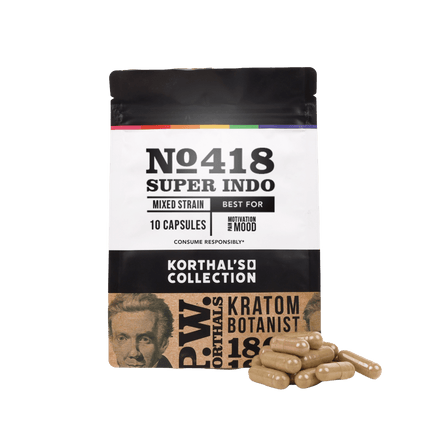
No. Traditional whole-leaf kratom, the powder, capsules, tea, and beverages made from the Mitragyna speciosa leaf, is not the target. Natural leaf contains only trace amounts of 7-OH, well below the line the DEA drew. In its own words, the DEA said the action is "not intended to regulate natural leaf kratom that does not contain enhanced levels of 7-OH."
"Chemically manipulated 7-OH opioids are not kratom... Natural kratom leaf should be responsibly regulated." American Kratom Association

Haven't we been here before?
Not like this. In 2016, the DEA proposed scheduling kratom's main whole-leaf compound, mitragynine, which would have affected traditional kratom. After public and congressional pushback, the DEA withdrew that proposal, and whole-leaf kratom has stayed legal at the federal level since. The 2026 action is different by design: it targets concentrated and synthetic 7-OH, and specifically does not cover the natural leaf.
The line the DEA drew
The action applies to products above 0.05% 7-OH by weight, or more than 1 mg of 7-OH per serving. That threshold separates concentrated and synthetic 7-OH products from natural kratom leaf, which sits far below it. For the deeper science on how the two differ, see our guides Kratom vs. 7-OH: What's the Real Difference? and What Is 7-OH?
What this means if you buy kratom
| Traditional whole-leaf kratom | Concentrated / synthetic 7-OH |
|---|---|
| Not affected | Being scheduled |
| Powder, capsules, tea, and brewed beverages made from the whole leaf | High-potency extracts, shots, and tablets |
| Only trace 7-OH, below the 0.05% line | Above 0.05% by weight, or more than 1 mg per serving |
Not sure what is in a product? Check its Certificate of Analysis (COA), the third-party lab report that shows exactly what is inside. Every product we carry has one, and you can browse them all on our Test Results page.
When it takes effect and how long it lasts
Because the notices were published on July 6, 2026, an order could take effect as soon as early August 2026, after the 30-day notice period. A temporary order lasts two years and can be extended by one more year while a permanent review continues. Nothing is final until the DEA issues that order.
Frequently asked questions
Is kratom banned now?
No. Traditional whole-leaf kratom is not part of the DEA's action.
Is 7-OH banned yet, or just proposed?
The DEA has filed intent to temporarily schedule concentrated and synthetic 7-OH. It is not final yet.
When does it take effect?
An order could take effect as soon as early August 2026, after a 30-day notice period.
What is the difference between kratom and 7-OH?
Kratom is the whole leaf. 7-OH is a single compound that is concentrated or made synthetically for high-potency products. More in Kratom vs. 7-OH.
Does this include kratom powder or leaf?
No. Whole-leaf products fall below the DEA's threshold.
Is my kratom drink or shot affected?
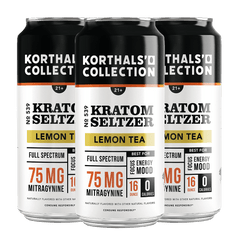
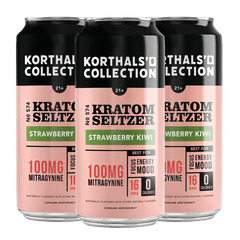
It depends on the product. Whole-leaf beverages are not part of the action. Concentrated 7-OH shots are what the DEA is moving to schedule. Check the COA.
Is this like the 2016 kratom scare?
No. The 2016 proposal targeted the whole leaf and was withdrawn. This action targets concentrated and synthetic 7-OH only.
How long does the temporary scheduling last?
Two years, with a possible one-year extension.
Is kratom still legal in my state?
State laws vary and some changed in 2026. For example, Tennessee fully banned kratom on July 1, 2026. Check your state's current law before you buy.
Shop whole-leaf kratom
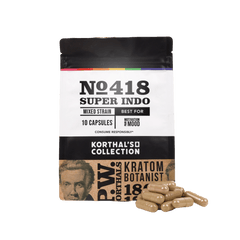
The kratom we carry is made from the whole Mitragyna speciosa leaf, the category this action does not touch. Every batch is third-party lab tested, with the COA on the product page.


New to kratom? Start with our Kratom Guide, or browse everything we carry.
This article is for general information and is not legal advice. Rules can change. Check the Federal Register and your state's current law for the latest.
Sources: DEA press release (July 1, 2026); Federal Register 2026-13580 and 2026-13581 (July 6, 2026); FDA; American Kratom Association.