
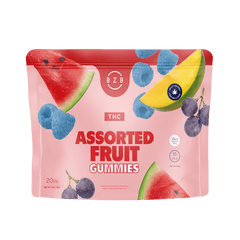
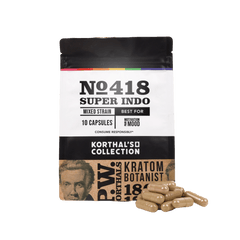
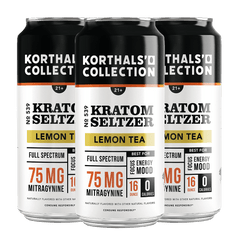
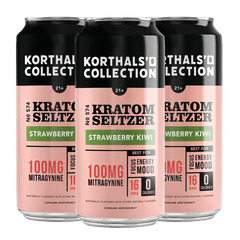


MNG 2005, Inc., the parent company of CBD Kratom, has joined a federal lawsuit challenging Missouri House Bill 2641. We did not take that step lightly. We took it because the law, as written, gives lawful hemp businesses no way to comply, and because the consequences fall on Missouri consumers and employees.
We want to be direct about one thing first. We are not opposed to regulating hemp. We have supported sensible rules for years, publicly and consistently. Our objection is narrower, and more serious: HB 2641 does not set standards we can meet. It removes the ability to operate at all.
What CBD Kratom supports
Before we explain what we believe is wrong with this law, it is worth stating plainly what we back, and have backed publicly for years:
- Age restrictions, including 21+ access where appropriate
- Mandatory third-party testing for potency and contaminants
- Accurate, transparent labeling so shoppers know exactly what they are buying
- Responsible marketing standards, including no marketing to minors
- Clear enforcement rules that hold bad actors accountable
Those are the guardrails of a real regulatory system, and we would comply with all of them tomorrow. A law that defines standards and asks businesses to meet them is regulation. A law that closes the only available license category is something else.
The core problem: there is no path to compliance
HB 2641 would require that covered hemp activity be conducted only by entities holding a Missouri marijuana license issued under Article XIV of the state constitution. The number of those licenses is capped, and existing hemp businesses cannot obtain one.
This is not a company objecting to a difficult standard. There is no application to submit, no facility upgrade to make, and no testing threshold to hit that would bring a hemp business into compliance. For companies that have operated lawfully in Missouri for more than a decade, the practical result is closure rather than adaptation.
Statement from our President
"For more than 13 years, we've built our business by following Missouri law and advocating for common sense hemp regulations, including age restrictions, testing requirements, and accurate labeling. HB 2641 is the first law we can't comply with because it wasn't written to be complied with. There is no license we can apply for. There is no standard we can meet."

The law may reach further than its name suggests
The bill is titled the Intoxicating Cannabinoid Control Act, which reasonably leads people to assume it covers only high-potency intoxicating products. The lawsuit alleges that the statutory language is broader than the title implies, and that it could sweep in non-intoxicating hemp-derived products, including CBD. That distinction matters to a great many Missourians who buy CBD and have no interest in intoxicating products at all.
What this could mean for Missouri shoppers
If the law takes effect as written, the practical effects are straightforward:
- Fewer places to buy. Retail would be limited to a closed set of licensed operators.
- Less selection. Products people buy today may simply stop being available in Missouri.
- Higher prices. Concentrating a market in fewer hands rarely makes it cheaper.
- Local job losses. Missouri stores, warehouses, and the people who staff them are affected first.
We are a St. Louis company. MNG 2005 operates 55 stores across five states, and Missouri is home. The people most immediately affected by this law are our neighbors and our employees.
What the lawsuit alleges
The following are allegations raised by the plaintiffs. They are not findings by any court.
- That the law is unconstitutionally vague. The plaintiffs argue HB 2641 defines products inconsistently, treating the same product as hemp in one provision and marijuana in another. Where criminal penalties may attach, businesses, consumers, law enforcement, and prosecutors all need definitions that agree with one another.
- That it burdens interstate commerce. The plaintiffs argue the law favors in-state activity and restricts the movement of federally lawful hemp through Missouri.
- That it is preempted by the 2018 Farm Bill. The plaintiffs argue the law conflicts with federal protections for lawful hemp, including its transportation.
The lawsuit asks the court to declare HB 2641 unconstitutional and to prevent it from taking effect.
Who we are not fighting
This is not a dispute with Missouri's licensed marijuana operators. They built their businesses under the rules available to them, and they are entitled to do so. Our concern is with a licensing structure that is closed by design, and with the outcome that structure produces: an existing, lawful industry removed rather than regulated.
Our position
We are asking for a workable framework: one that sets real standards for testing, labeling, age verification, and enforcement, and then allows any qualified business to meet them.
That protects consumers considerably better than a rule which moves products to a smaller number of sellers without addressing product safety at all. We are prepared to comply with reasonable standards. We have asked for them for years. We are asking the court for the clarity the statute does not provide.
Staying informed
This is an active case and details may change. For background on what HB 2641 does and which products it covers, read our earlier explainer, Missouri Hemp Law: What HB 2641 Means for Shoppers. We will update this page as the case develops.
Questions about a specific product or order? Our team is available at any of our stores or through Contact Us.